

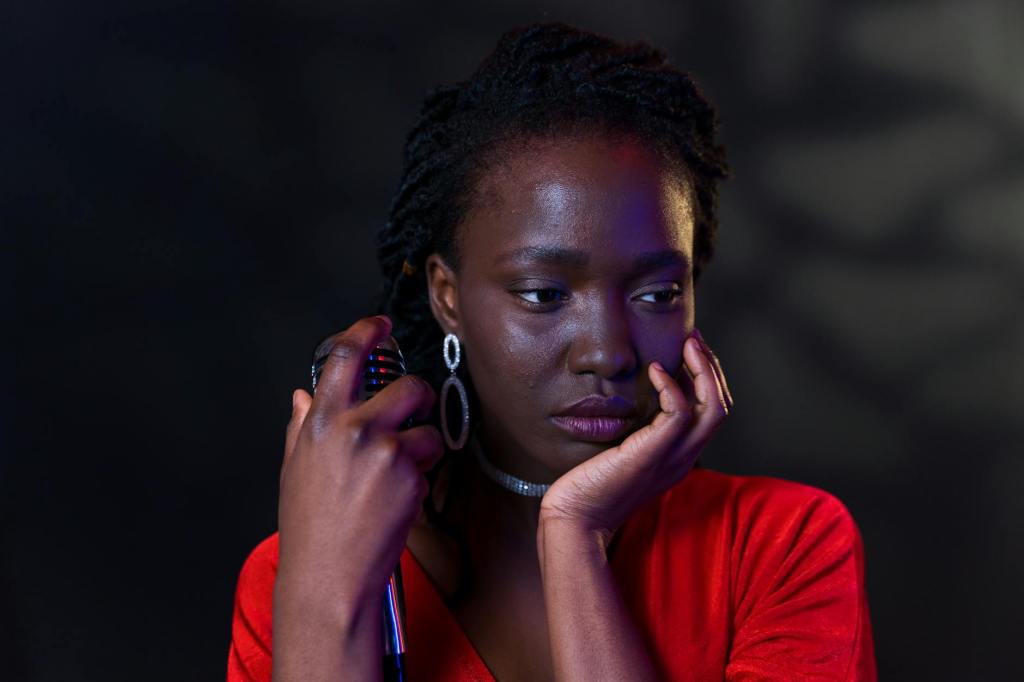
Before I trained as a psychotherapist, my life was heading in a very different direction. I was pursuing a career in the performing arts. While it wasn’t always an easy path, I felt focused and committed to it. Then, during the enforced pause and reflection of the pandemic, I began to sense a shift. Slowly, I found myself drawn towards a different vocation: person-centred psychotherapy. Looking back, I can see there’s a link between the two. My own experiences of mental health challenges in the performing arts world — a story that is sadly far from unique — played a big part in leading me here.
A recent study by the performing arts union Equity confirms what many already know intuitively: rates of mental distress are significantly higher among performers and students in the arts than in the general population. Both anxiety and depression are more commonly diagnosed among this group (Performing arts mental health | Equity).
As a therapist with a background in the arts, this feels deeply familiar. Both my own story and those of performers I have worked alongside, in and out of therapy, offer insights into why this might be.
We often hear the familiar idea of the ‘tortured artist’, suffering for their craft. There’s an assumption that creativity and emotional sensitivity are inextricably linked — and perhaps there’s some truth in that. To move audiences, artists often draw on deep wells of feeling. This sensitivity is a gift, allowing them to express complex emotions with authenticity, but it can also leave them more vulnerable in everyday life.
Layered onto this is the challenging reality of working in the arts, especially in the UK. Many performers live with the uncertainty of freelance work, constantly seeking the next opportunity. Financial insecurity is well known to affect mental health (The link between money and mental health – Mind), and it’s no surprise that this instability can weigh heavily. Add to this the intense competitiveness of the industry — where performers regularly face auditions, high stakes, and fierce competition for limited roles — and the pressure mounts.
Carl Rogers described how our mental wellbeing can suffer when we internalise ‘conditions of worth’ — the belief that we are only acceptable when we meet certain standards. In the performing arts, so much validation comes from external sources: casting panels, critics, audiences. When our self-worth feels contingent on these external judgements, it can feel fragile and uncertain.
Power dynamics also play a crucial role here. Gillian Proctor, in The Dynamics of Power in Counselling and Psychotherapy, writes about the deep connection between powerlessness and mental distress. Many freelancers in the arts lack the protections of stable employment, such as HR support or collective representation. This can leave performers vulnerable to unchecked power and mistreatment, with little recourse to challenge it safely. The result is often a profound impact on wellbeing.
I sometimes feel a heaviness when I reflect on these realities. Yet alongside this, I feel a strong commitment to supporting those navigating the unique pressures of the performing arts. Therapy can offer a space to rebuild a sense of self that isn’t solely shaped by external approval. It can help performers cultivate self-trust and a firmer foundation of worth, independent of the demanding environments they work within. While we may not be able to change the industry overnight, we can support individuals to reclaim some of their power and nurture their wellbeing.
 Affordable Therapy in Brighton & Hove
Leave a comment